

Megabonk is a game built on one core promise: impact. Everything about its presentation—oversized weapons, exaggerated physics, elastic environments, and thunderous sound design—tells the player that force matters. The joy of Megabonk is supposed to come from timing a perfect strike, watching momentum transfer through enemies and objects, and feeling the world respond in spectacular fashion.
Yet as players spend more time with the game, especially beyond the opening hours, a specific issue begins to surface. It is not about difficulty, content variety, or even bugs. It is about how Megabonk’s impact scaling and feedback delay subtly erode the player’s sense of control and mastery over time. Hits start to feel inconsistent. Outcomes become harder to predict. Precision gives way to approximation.
This article examines that single issue in depth, tracing how it emerges, how it compounds as mechanics layer on top of each other, and why it ultimately reshapes how players engage with Megabonk’s core loop.
1. The Central Fantasy of Megabonk: Power Through Precision
Megabonk sells a very specific fantasy: you are not just strong, you are precisely strong. The player is encouraged to believe that correct timing, angle, and positioning will produce reliable, repeatable results.
The game teaches this early:
- Enemies react dramatically to clean hits
- Objects shatter or launch based on strike direction
- Momentum feels readable and satisfying
H3: Impact as a Skill Check
Early on, landing a hit feels like passing a test. You see the wind-up, commit to the swing, and are rewarded with a clear outcome.
H4: Why Consistency Is Essential
For a physics-driven game, consistency is not optional. Players must trust that similar inputs produce similar results.
2. Early Levels: When Feedback Is Tight and Honest
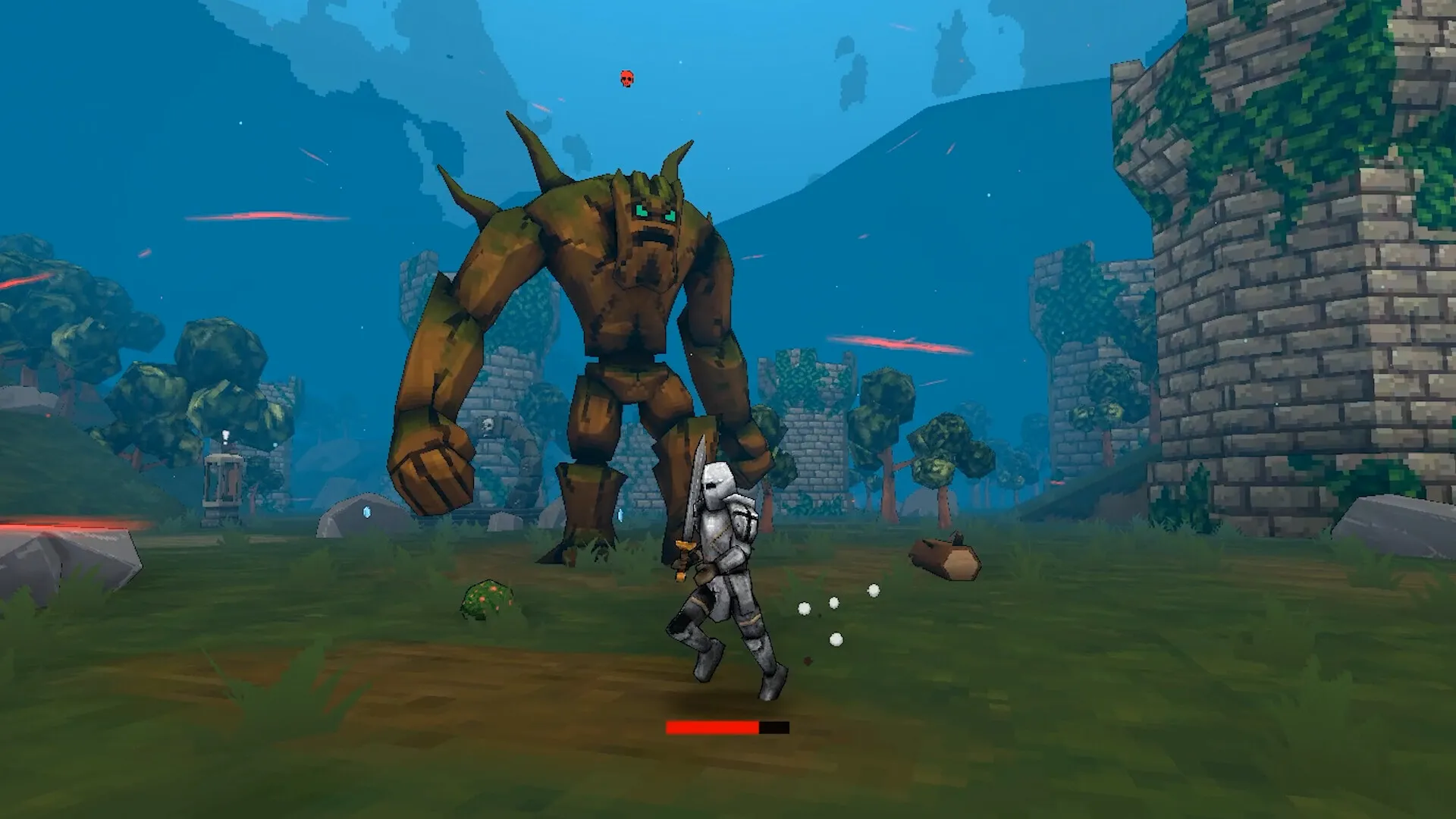
In the opening stages, Megabonk feels excellent. Weapons have limited modifiers, enemies are lightweight, and environments are simple.
H3: Clean Cause and Effect
Hits connect, recoil is immediate, and the delay between input and outcome is minimal.
H4: Training Player Expectations
Players learn:
- How long a swing takes
- How far enemies fly
- How terrain influences bounce and slide
These lessons form the foundation of mastery.
3. The Introduction of Impact Scaling Systems
As the game progresses, Megabonk introduces scaling systems to keep combat fresh.
These include:
- Combo multipliers
- Environmental amplification zones
- Enemy mass variation
- Weapon momentum bonuses
H3: Theoretical Depth
On paper, these systems add depth and replayability.
H4: Practical Complexity
In practice, they introduce hidden variables that alter impact strength without always communicating the change.
4. Feedback Delay: The Moment Hits Stop Feeling Immediate
The most critical issue begins when visual spectacle starts to outpace mechanical feedback.
H3: Visual Before Physical
Later in the game:
- Screen shake increases
- Hit effects become more elaborate
- Camera motion intensifies
But physics resolution often lags by a few frames.
H4: Why Delay Matters
That small delay is enough to break the illusion of direct control. The player feels the hit before the world reacts.
5. Enemy Mass Inflation and Unclear Resistance Thresholds
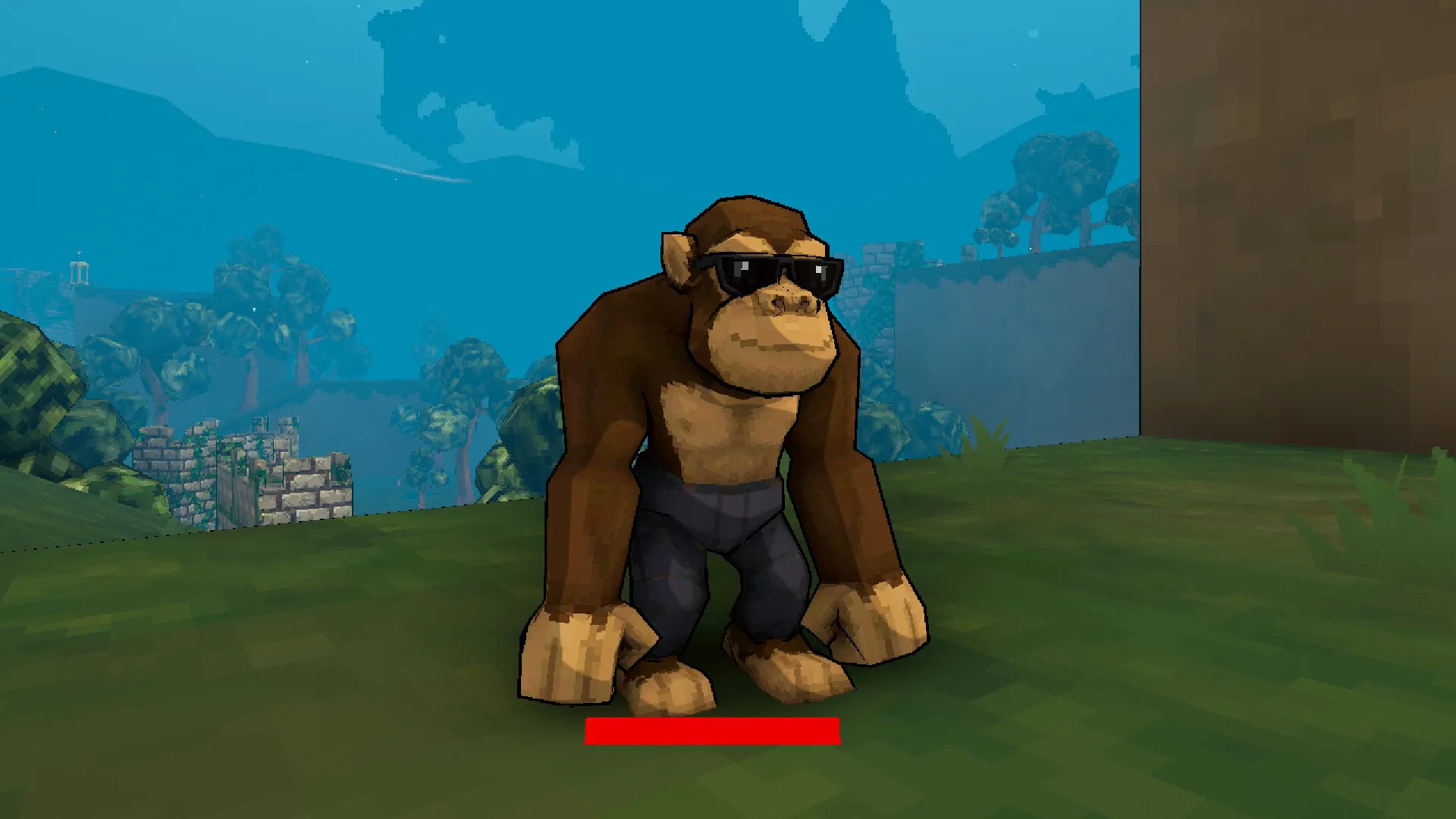
Mid-game enemies gain variable mass and resistance values.
H3: The Problem of Invisible Weight
Two enemies that look similar may react completely differently to the same hit.
H4: Loss of Predictability
Players can no longer rely on visual cues alone to judge outcomes, making precision play less viable.
6. Environmental Physics That Overrule Player Input
Later stages emphasize destructible and reactive environments.
H3: When the World Takes Control
Walls collapse, floors tilt, debris ricochets—often altering hit outcomes after the fact.
H4: Agency Dilution
Instead of feeling clever, players feel overridden by systems they cannot fully anticipate.
7. Combo Systems and the Acceleration of Uncertainty
Combo multipliers amplify force dramatically.
H3: Exponential Scaling
Small differences in timing can result in massive differences in impact.
H4: Precision vs. Chaos
Rather than rewarding exact execution, the system begins to favor momentum stacking and brute force.
8. Player Adaptation: From Precision to Overcompensation
As predictability declines, player behavior shifts.
H3: Common Adaptations
- Overcharging attacks
- Favoring wide-area swings
- Ignoring fine positioning
- Relying on environmental chaos
H4: The Cost of Adaptation
These strategies work, but they abandon the original precision fantasy.
9. Long-Term Play and the Erosion of Mastery Satisfaction
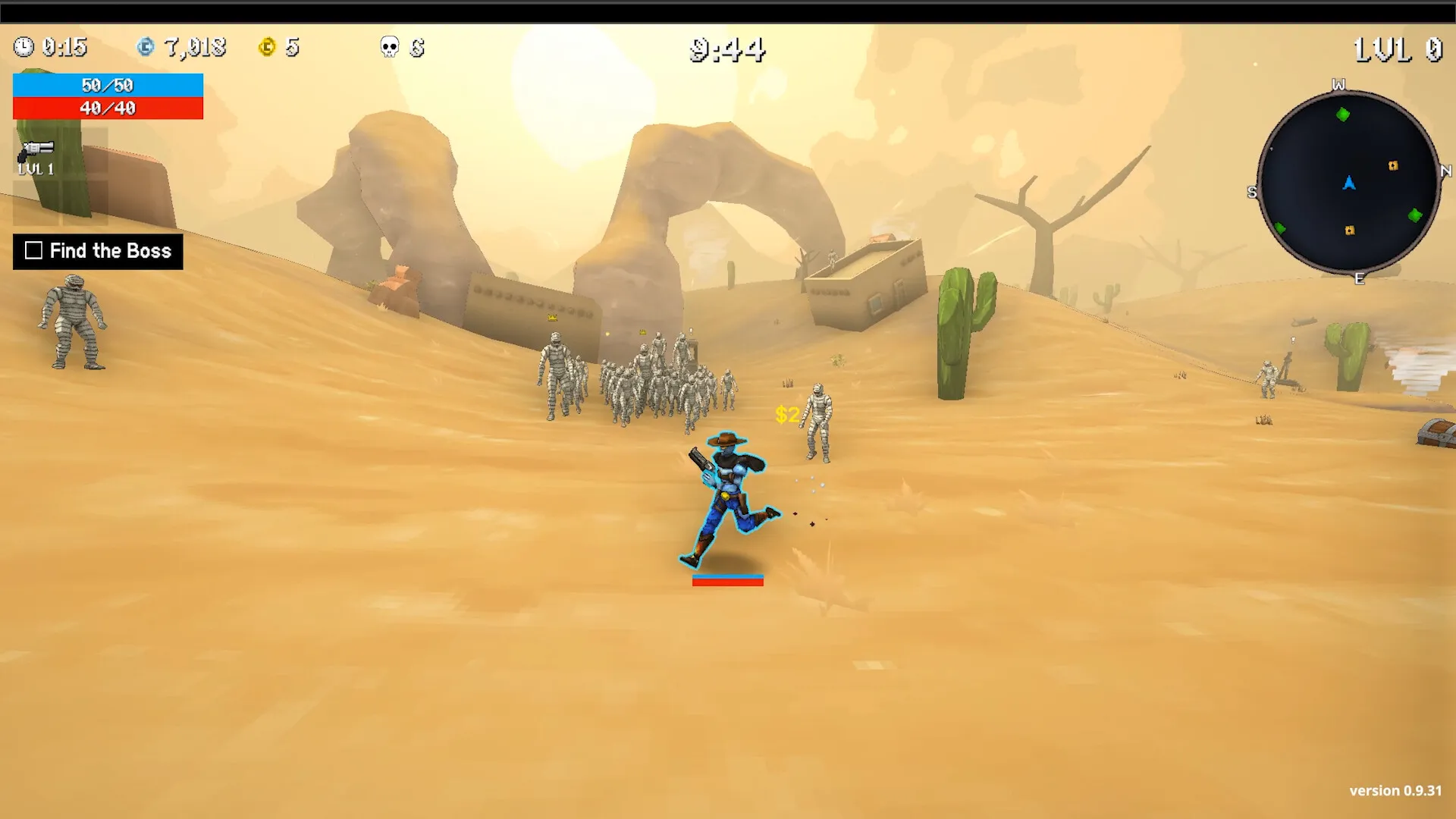
By late-game, players succeed—but differently than intended.
H3: Success Without Understanding
Players win encounters without fully knowing why a hit worked or failed.
H4: Emotional Outcome
Victories feel loud but hollow, impressive but unsatisfying.
10. What This Issue Reveals About Megabonk’s Design Balance
Megabonk is ambitious, exuberant, and mechanically daring.
H3: A System Overgrown
Impact scaling grew faster than feedback clarity.
H4: The Core Tension
The game wants to be both precise and chaotic—but the balance tips too far toward chaos.
Conclusion
Megabonk delivers on spectacle, humor, and raw kinetic energy. Few games make hits feel as big or worlds feel as breakable. But beneath that explosive surface lies a structural issue that becomes impossible to ignore over time. As impact scaling intensifies and feedback delays accumulate, the connection between player input and game response weakens.
The result is not frustration in the traditional sense, but a quiet erosion of mastery. Players stop refining technique and start compensating with excess force. Precision gives way to probability. Megabonk remains fun, but its most promising fantasy—the joy of perfectly controlled power—slips just out of reach.
Understanding this issue does not diminish the game’s achievements. Instead, it explains why Megabonk feels exhilarating in short bursts yet strangely exhausting over long play sessions. The weight is there—but it no longer lands exactly where the player intends.